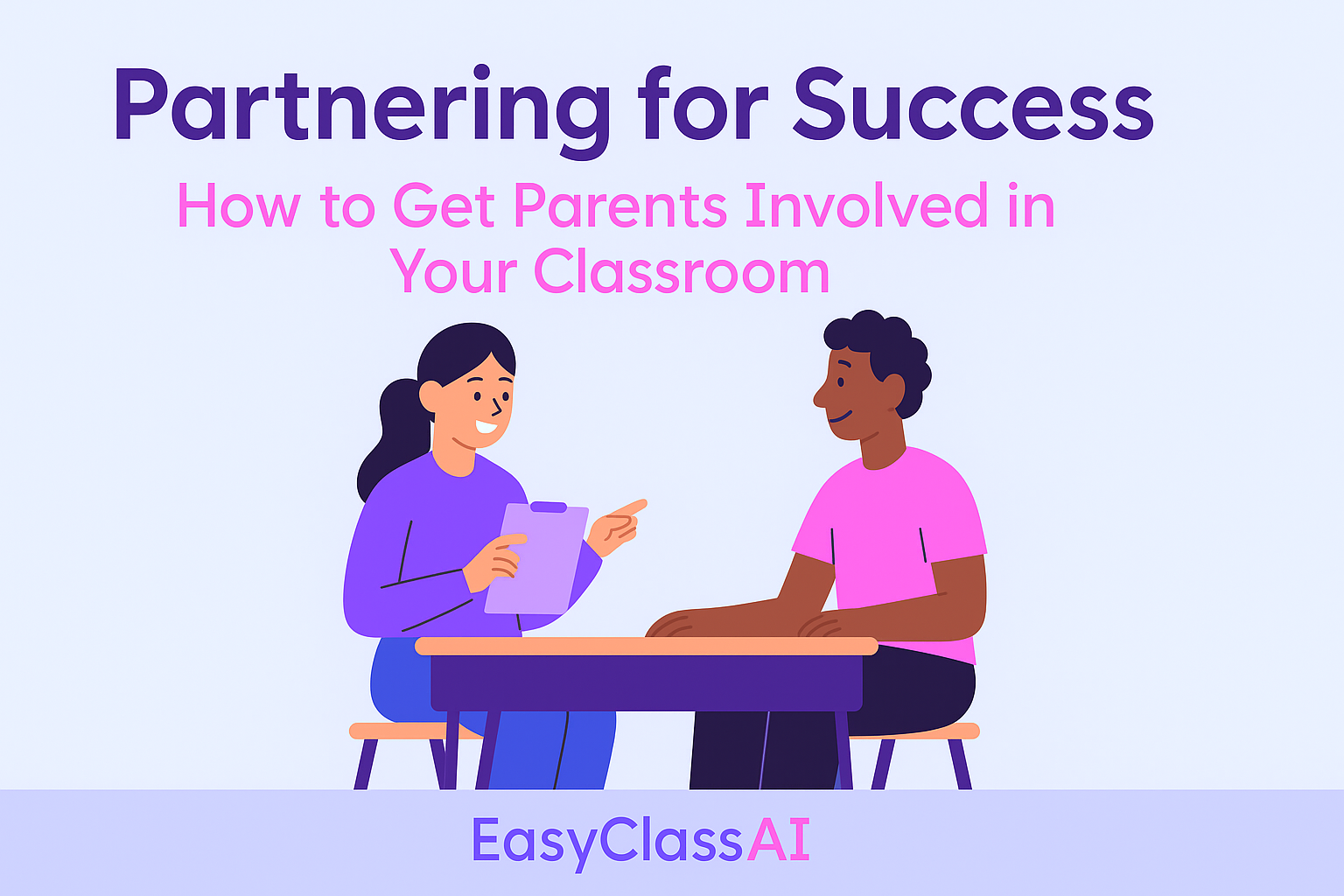
Introduction: Why Parent Involvement Matters More Than Ever
If you’ve been teaching for a few years, you’ve probably noticed the shift: parents aren’t as involved in classrooms as they once were. Between busy work schedules, packed extracurricular calendars, and post-COVID changes in school culture, it’s harder than ever to get families plugged into what’s happening at school.
But here’s the truth—when parents are genuinely engaged (not just popping in to micromanage), everybody wins. Students perform better academically, show improved confidence, and develop stronger behavior patterns. Teachers gain an important support system, and schools foster a stronger sense of trust and community. In short: parent involvement isn’t just “nice to have.” It’s essential.
Why Parent Involvement is Worth Fighting For
-
Academic Outcomes: Students with engaged parents consistently show higher grades, better attendance, and stronger test scores. When parents know what’s happening in the classroom, they can reinforce it at home.
-
Social & Emotional Benefits: Parent presence gives kids a confidence boost—they feel supported, motivated, and more accountable for their choices.
-
Community Connection: When families are connected to the classroom, they trust teachers more. That partnership makes tough conversations (about academics or behavior) easier because the relationship is already established.
5 Practical Ways to Get Parents Involved (Without Adding More Work for You)
1. Create Classroom “Homework Helpers”
Parents want to help but often feel unprepared. Instead of just sending home worksheets, give families simple “cheat sheets” or conversation starters. Example: a one-page “Ask Me About…” that lists three questions parents can ask their child about today’s lesson. It keeps parents in the loop without turning them into tutors.
2. Invite Parents Into the Celebration
Don’t just call when behavior is a problem. Involve parents in the positive moments, too. Quick texts, shout-outs, or postcards home go a long way. Even better, set up a simple system where parents can reinforce classroom incentives at home (for example: “Monster Points” in class = special privileges at home).
3. Offer Flexible Volunteer Opportunities
Not every parent can come to school at 10:00 a.m. on a Tuesday. Think outside the box: virtual read-alouds, helping prep materials at home, or recording a short video about their job or culture to share with the class. Flexibility = more participation.
4. Build a Two-Way Communication Loop
Parents shut down when communication feels one-sided (like newsletters that never get read). Instead, use short surveys or weekly check-ins to give families a voice. Ask things like: “What’s one thing you’d like me to know about your child this week?” It builds trust and makes parents feel like true partners.
5. Make Parent Involvement Part of the Classroom Culture
The more natural it feels, the less it feels like “extra work.” For example, create a parent spotlight board, highlight family traditions during lessons, or invite parents to contribute to classroom displays. Small, consistent gestures send the message: “This classroom belongs to students and their families.”
Closing: Partnership Over Perfection
The truth is, you’re never going to get every single parent fully engaged—and that’s okay. The goal isn’t perfection, it’s partnership. By making involvement approachable, flexible, and rooted in celebration instead of criticism, you’ll see more families stepping in.
And when that happens, everybody wins: students, parents, and teachers.